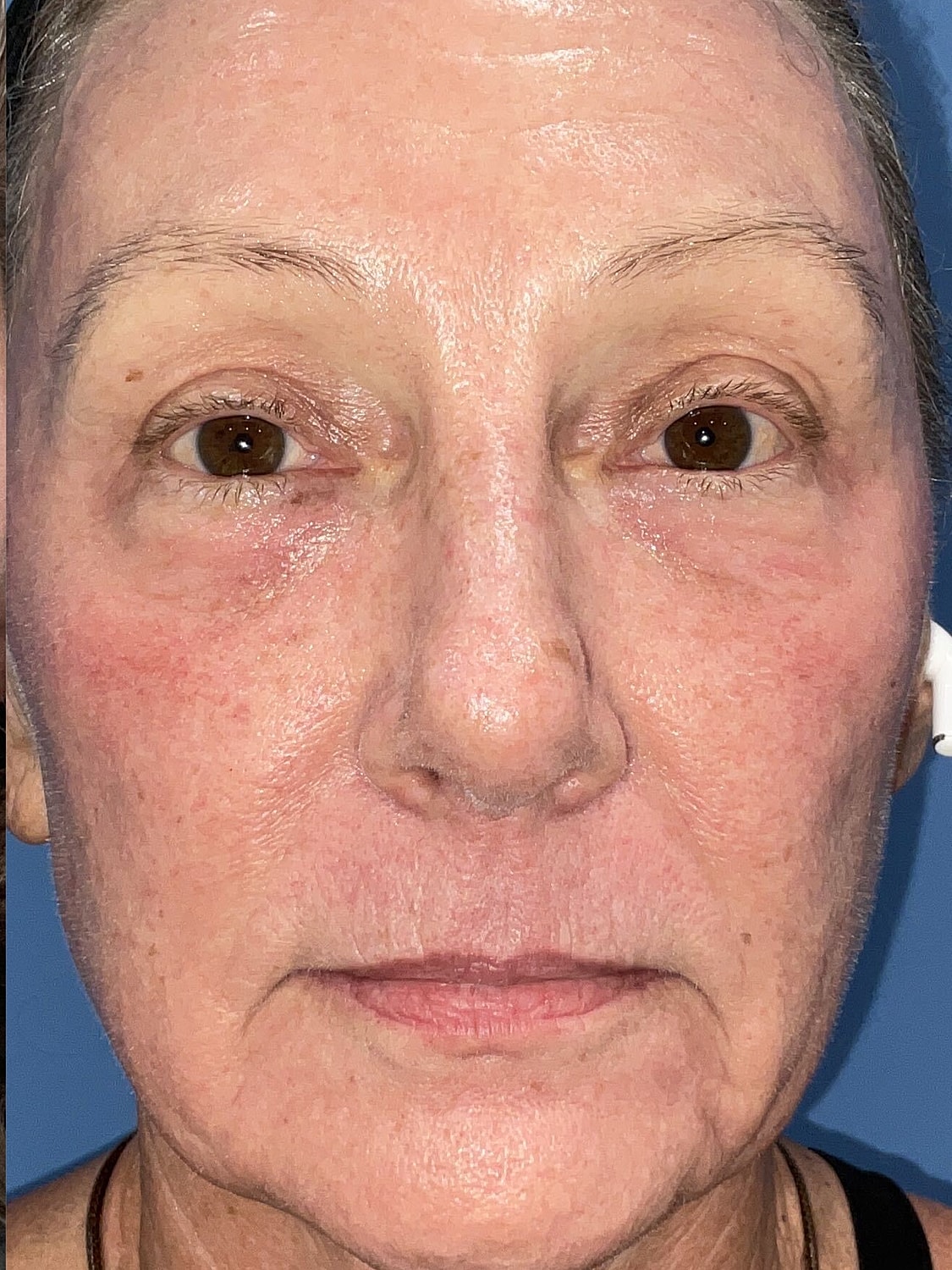
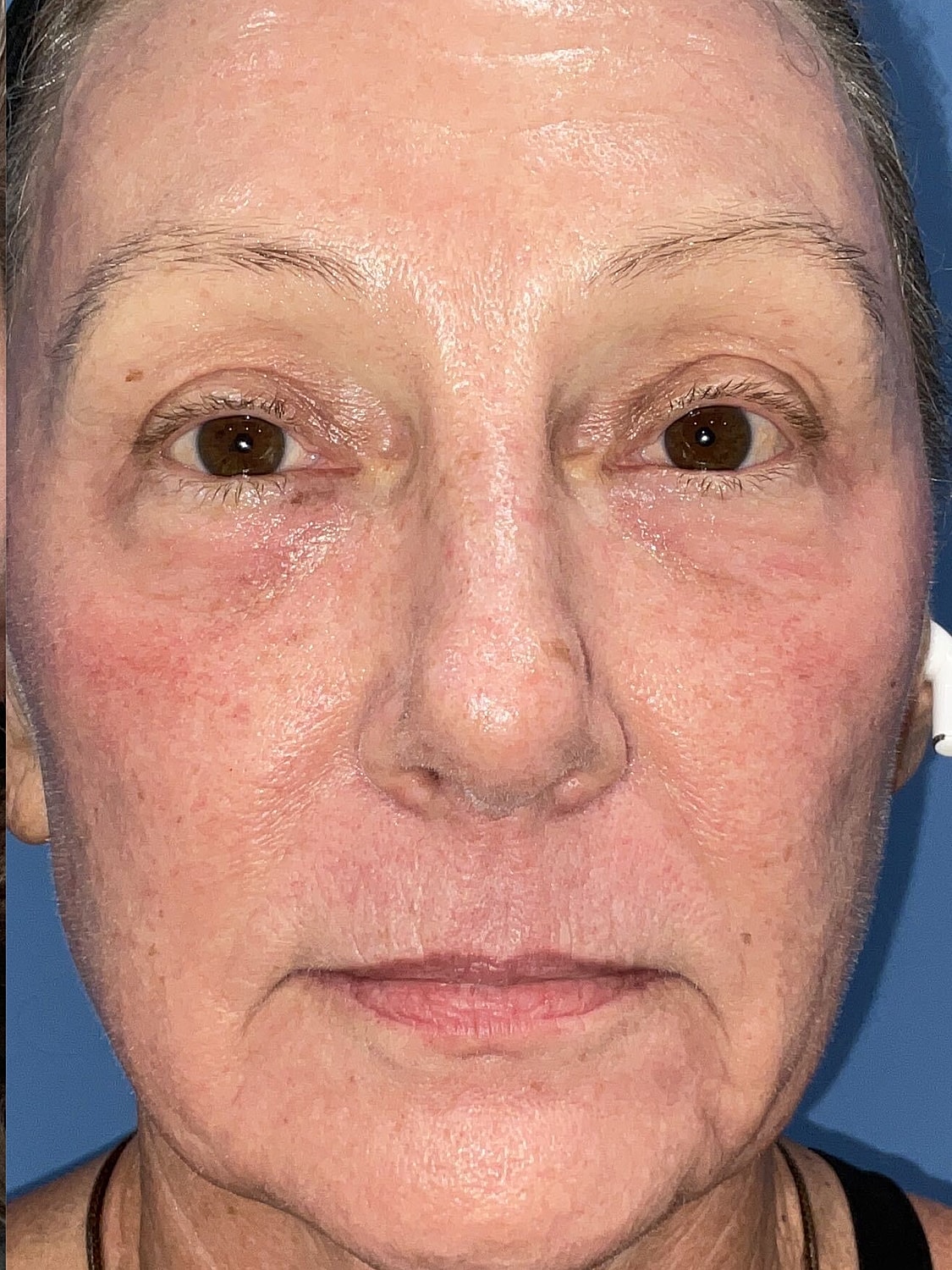
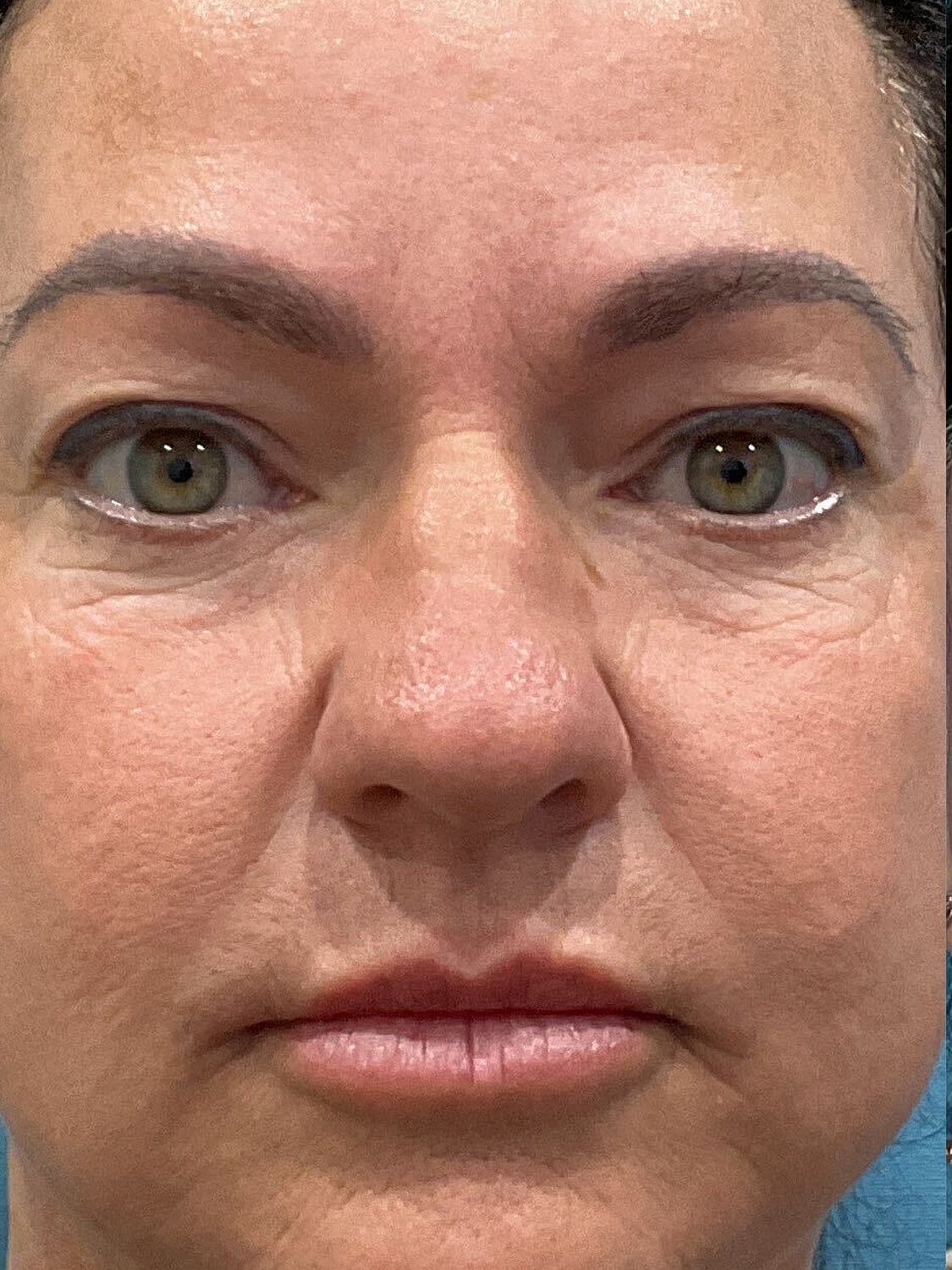
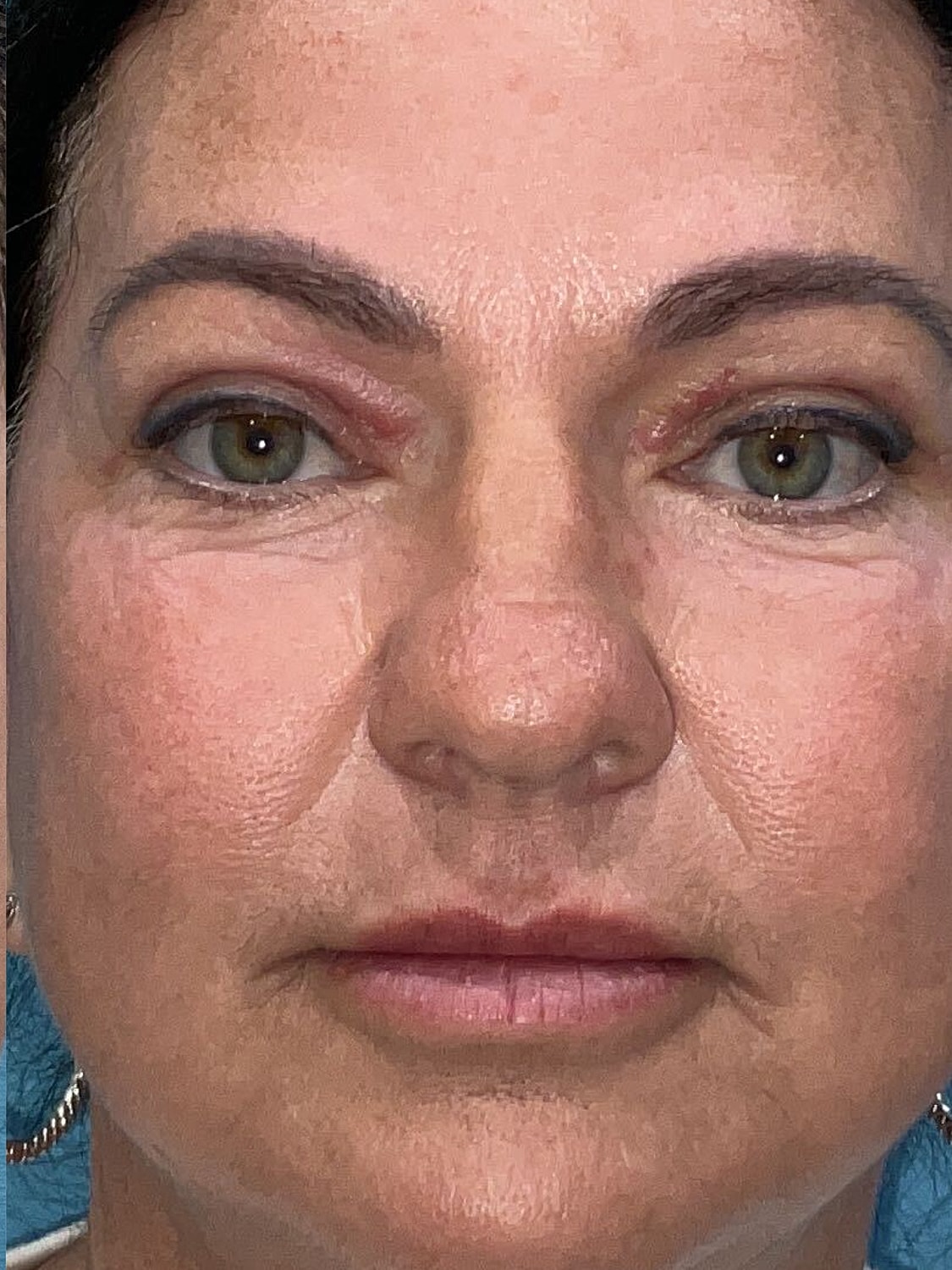
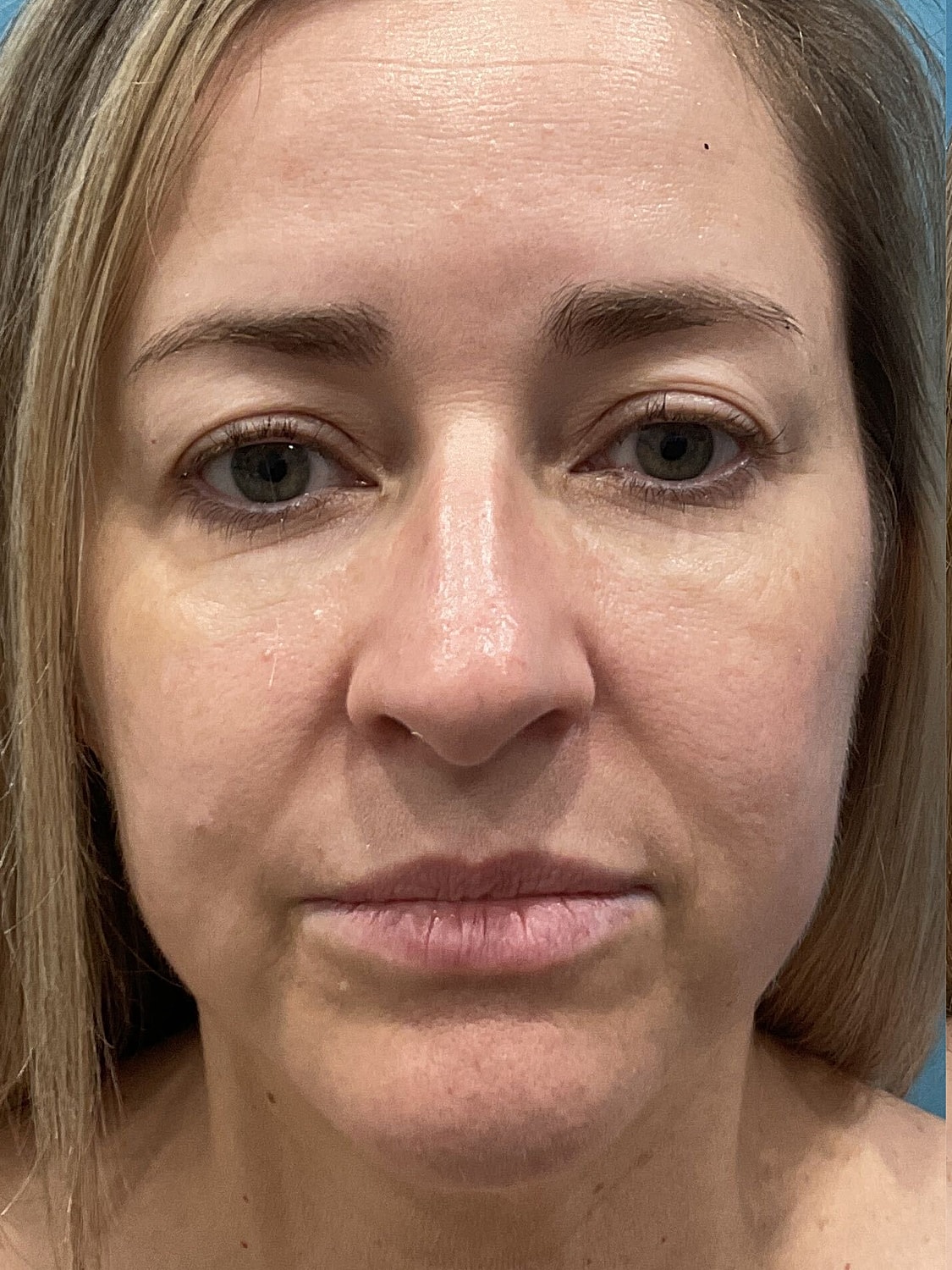
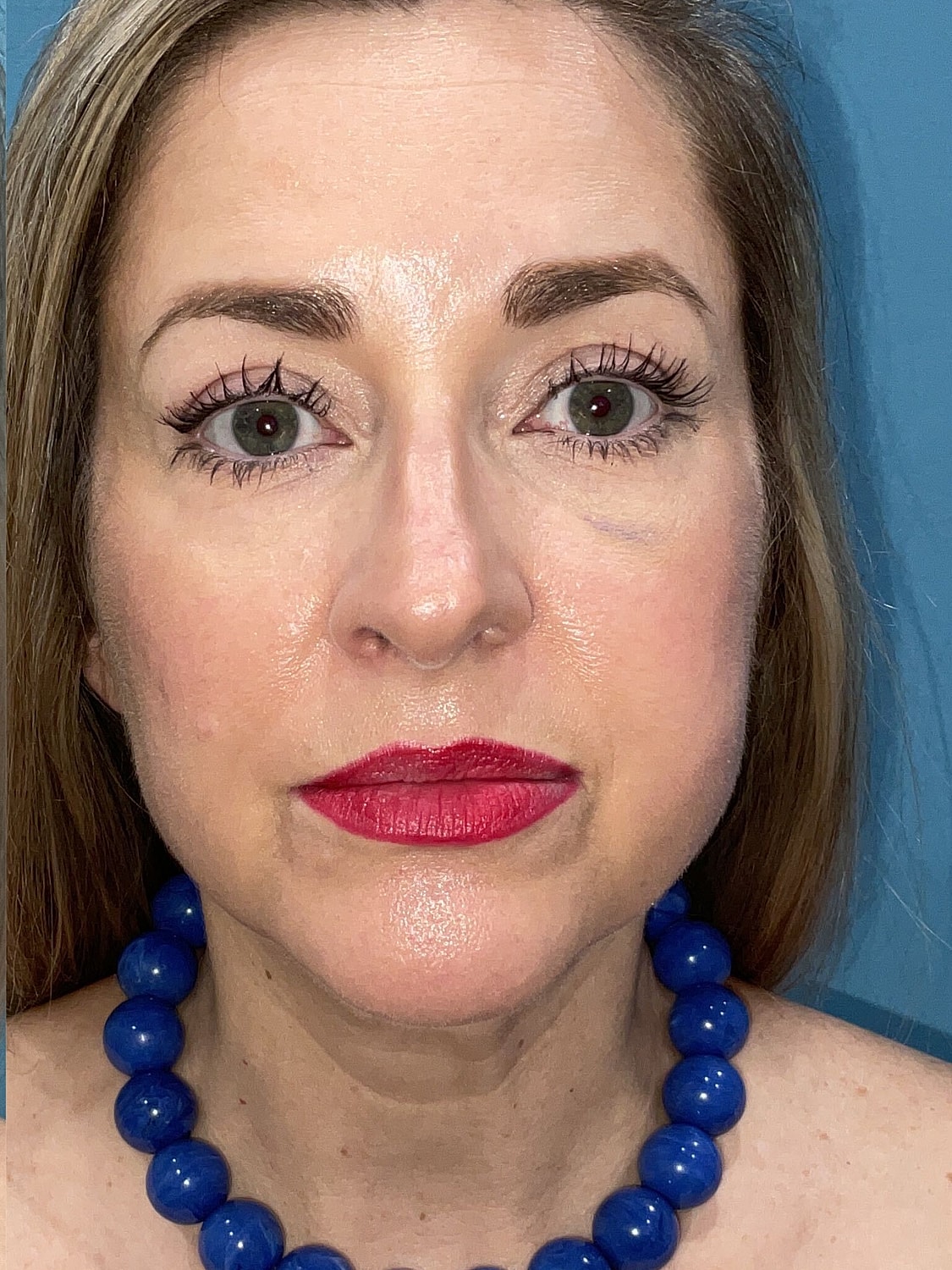
Upper Blepharoplasty
Baton Rouge, LA


Upper blepharoplasty removes skin that folds over the upper eyelids and hides the crease. The goal is to create a more visible crease while keeping enough skin for your eyelids to close comfortably. At Stephens Plastic Surgery & Skincare Aesthetics in Baton Rouge, Dr. J. Anthony Stephens looks at both your eyelids and brow before suggesting surgery. You’ll talk about the results you want, what the procedure can do, and how long recovery will take.
1 of 9
Upper blepharoplasty is eyelid surgery that removes extra skin from the upper lids. Sometimes, fat or muscle is also adjusted to improve the shape. This procedure can show more of your natural eyelid fold and reduce hooding. If extra skin is blocking your side vision, removing it may help you see better.
Aging, genetics, and sun exposure all affect how your upper eyelids look. Surgery removes extra tissue, but your doctor will also check for other reasons your eyelids might droop.
Detail | What to Expect |
|---|---|
| Best for | Upper-lid skin folds and selected areas of puffiness |
| Treatment | Outpatient surgery, with anesthesia chosen for your plan |
| Procedure time | About an hour for upper lids alone; combined procedures take longer |
| Discomfort | Soreness, irritation, or a tight feeling during early healing |
| Social downtime | Allow about one to two weeks, with bruising possible beyond that |
| Results | More apparent as swelling fades; refinement takes several months |
| Longevity | Years of improvement, with continued aging |
| Cost | Published upper-eyelid range of $2,800–$3,900; confirm your quote |
Upper eyelid surgery treats excess skin above the eyes and selected fat bulges. Common concerns include:
Benefits may include a more defined crease, less overhanging skin, and easier makeup application once you’ve healed. The surgery is planned to keep your eyelids closing comfortably and to preserve the features that make your eyes unique.

The position of the eyebrows can change how much skin gathers above the eyes. True eyelid ptosis involves the muscle that raises the lid and needs a separate assessment.
Finding | Treatment Consideration |
|---|---|
| Excess skin on the upper eyelid | Upper blepharoplasty |
| Low eyebrows contributing to hooding | A brow lift, alone or with eyelid surgery |
| Eyelid edge sitting too low | Evaluation for ptosis repair |
A brow lift changes the position of your brows and can help with forehead wrinkles. Upper and lower eyelid surgeries focus on different areas. Lower blepharoplasty treats bags and changes under the eyes. Your treatment will be based on your unique anatomy.
You may be a good candidate if you have extra skin on your upper eyelids, realistic expectations, and are healthy enough to heal well. Both men and women can have this procedure, and age by itself isn’t the deciding factor. If you have older photos that show the changes you want, bring them to your appointment.
Let your doctor know if you have dry eyes, glaucoma, thyroid eye disease, have had eye surgery before, or wear contact lenses. These details might change your treatment plan or mean you need to see an eye specialist. If you have an infection, a medical condition that isn’t controlled, or problems with healing, surgery may need to be delayed. Be sure to mention if you use nicotine.
At your consultation, bring a list of your medications and talk about any vision problems as well as your cosmetic goals. Ask how much of your eyelid crease can be shown without removing too much skin. Your doctor will explain the recommended changes and any limits before you decide.

At Stephens Plastic Surgery, upper blepharoplasty usually takes about an hour and is done with local anesthesia. Some patients may need sedation or general anesthesia, depending on their surgical plan. Your surgeon will talk with you ahead of time about which option is best and how alert you’ll be during the procedure.
It’s important to leave enough skin so your eyelids can close easily. Removing too much tissue can make your eyes dry or hard to close.
You can expect some swelling and bruising after eyelid surgery. Your eyelids might feel tight, and you could have some dryness or sensitivity to light, which can make using screens uncomfortable. Plan your recovery based on your work, how visible the bruises are, and how you feel.
Stage | Recovery and Results |
|---|---|
| First 24–48 hours | Rest with your head elevated and use cold compresses as instructed. Arrange help at home. |
| First week | Attend the healing check. Sutures that require removal may be taken out during this period. |
| About one to two weeks | Many patients return to desk work and social plans. Bruising may remain visible. |
| Following weeks | Swelling continues to decrease, sometimes through the first month. Resume exercise with clearance. |
| Around three to four months | The contour becomes more settled. Scars can continue fading beyond this point. |
After surgery, avoid heavy activity, getting overheated, and sunbathing for two weeks. If your surgeon gives you longer restrictions, follow those instructions. Wear sunglasses outside, don’t rub your eyelids, and wait for your doctor’s okay before using contact lenses or eye makeup.
If you have sudden changes in vision, severe new eye pain, or swelling that gets worse quickly, get medical help right away. Let your surgical team know if you notice signs of infection like more redness, drainage, or a fever.

Upper blepharoplasty can reduce folds and bring back definition to your eyelid crease for years. However, aging will still happen, and some loose skin may come back over time. Perfect symmetry or a guaranteed result length can’t be promised.
The incision is placed in your eyelid crease, and sometimes it extends toward the outer corner. At first, scars may look pink or feel firm, but they usually soften over several months. Scars can still be seen when your eyes are closed. Be sure to follow your care instructions and keep healing skin out of the sun.
Eyelid surgery has risks, including bleeding, infection, uneven results, visible scars, changes in feeling, ongoing dry eyes, and trouble closing your eyes. There can also be reactions to anesthesia or a need for more surgery. Rarely, vision can be damaged or lost. Talk with your doctor about your eye health and personal risks before you decide.

Dr. Stephens is certified by the American Board of Plastic Surgery and the American Board of Surgery, and has over 25 years of experience in private practice. He also has training in reconstructive surgery and microsurgery. Dr. Stephens focuses on patient education and refers to specialists when needed.
The Baton Rouge office has a private, accredited surgical center and a team with years of experience. If you have surgery, you’ll get Dr. Stephens’ direct phone number for any questions during recovery. You’ll always be able to reach the doctor who did your procedure as you heal.
Stephens lists the cost for upper blepharoplasty as $2,800–$3,900. Check for the most up-to-date pricing and ask if your quote covers the surgeon, anesthesia, facility, and follow-up visits. If you combine procedures, the total cost will change. PatientFi and CareCredit are available payment options, depending on provider terms and approval.
Most insurance plans exclude cosmetic procedures. Coverage for vision obstruction depends on your plan and documentation, which may include photographs and visual-field testing. Ask the office about participation and your insurer about authorization before scheduling.
Upper blepharoplasty removes folds above the eye and has limited effect on crow's feet at the outer corners. Laser treatment may address surface wrinkles in suitable patients. It does not replace surgery for a substantial skin fold. Discuss the benefits and risks of each option.
No. Arrange a driver. Sedation, blurred vision, and postoperative medication can make driving unsafe. Resume driving when your vision is clear, you are off impairing medication, and your surgeon clears you.
Light routines can resume before exercise. Most patients need about one to two weeks before desk work or public-facing plans. Strenuous activities require separate clearance. Follow-up visits let your surgeon check progress and adjust restrictions.
Fat removal needs restraint because hollowing can change the eye's appearance. Ask which tissue needs adjustment and what should be preserved. Your existing lid shape and volume guide that discussion.
Meet with Dr. Stephens to discuss the correction you're considering, recovery time, and cost. Call (225) 768-7546 or request an appointment at Stephens Plastic Surgery & Skincare Aesthetics, 5233 Dijon Drive, Suite D, Baton Rouge, LA 70808.