Otoplasty
Baton Rouge, LA


Otoplasty helps bring ears that stick out closer to the head and creates better balance. At Stephens Plastic Surgery & Skincare Aesthetics, Dr. J. Anthony Stephens looks at the shape, size, and angle of your ears before suggesting surgery.
If you are thinking about surgery for yourself or your child, you can talk about the changes, recovery time, and what to expect during your first visit.
Otoplasty is surgery to reshape the outer ear and improve its position or shape. Ear pinning moves ears that stick out closer to the head by changing the cartilage and tissue. This surgery changes how your ears look, but it does not affect hearing or the inner ear.
Sometimes, a shallow fold or extra cartilage can make ears stick out. The surgeon can adjust these parts to create the shape you want while keeping your ears looking natural.

Otoplasty is performed to address protruding ears and selected differences in shape. Ear trauma and congenital facial differences may call for reconstructive surgery rather than a standard pinning procedure.
Ear surgery can address:

Otoplasty can make ears less noticeable and help your face look more balanced. Ear pinning changes the position, while making ears smaller may mean removing some tissue. The goal is to keep your ears looking natural. It’s normal for ears to be a little different from each other. You can talk about the changes you want, but perfect symmetry or major changes to your face are not expected.
The best candidates are healthy, have stable ear cartilage, and can follow aftercare instructions. Your surgeon will check if surgery is right for you. The choice should be based on what you want.
Children can usually have this surgery around age five or six, when their ears are developed enough. It’s important that the child is willing and can follow instructions. Explain things like bandages and sports limits in ways they understand. If a child is unsure, give them time to talk about their feelings.
Adults and teens can also have ear surgery. Your overall health, whether you use nicotine, and any past ear injuries or surgeries will affect your plan. If you have an infection or trouble healing, you may need to wait before having surgery.
Feel free to ask about how surgery might affect things like wearing glasses, your job, or sports, so your plan works for you.

Your surgeon will look at your ears from all angles. You can talk about where you want your ears to be, where the cuts will go, and what kind of balance is possible. You can also ask to see photos of patients with ears like yours.
Be sure to tell your surgeon about any ear injuries, hearing issues, allergies, or medicines you take. If your case is more complicated, you might need to see a specialist. Dr. Stephens wants you to have clear information and realistic expectations.
Ear surgery is usually done as an outpatient, so you go home the same day. You may have general anesthesia or local anesthesia with sedation, depending on your age and the plan. The team will explain your options before surgery.
The surgeon makes a cut behind your ear to reach the cartilage. They can create a new fold with stitches that stay in, adjust the ear bowl, or remove some tissue. The goal is to keep your ear’s natural shape while making the changes you want.
The surgeon closes the cut with stitches and puts on a bandage to support your ears. After a short time to make sure you’re okay, you can go home. If you need more complex surgery, your plan may be different.

After ear surgery, you’ll have some swelling, soreness, and a bandage. Most people can go back to desk jobs or school in about a week. You’ll need to ask your doctor before starting exercise again.
Keep your bandage dry, take your medicine as told, and don’t press or bend your ears. Your surgeon will show you how to support your head when you sleep. Wear shirts that won’t pull on your ears.
Go to your follow-up visit so your healing can be checked. If you have more pain, bleeding, fever, drainage, or sudden swelling, contact your surgical team right away.
You might need to wear a headband while you sleep, following the fit and schedule your doctor gives you. Kids going back to school should still avoid recess and gym for a while.
You’ll need your doctor’s okay before doing hard exercise or contact sports. Recovery can take six to eight weeks. Ask about using helmets, headphones, or glasses that touch your ears.
You’ll see your ears’ new position once the bandage comes off. Swelling will go down over the next few weeks. Follow-up visits help your surgeon check your healing and balance.
The results are meant to last a long time. However, injury, changes in healing, or ears sticking out again can affect your results and may need another procedure. Be sure to protect your ears while you heal.
Most scars are hidden behind the ears and can take a few months to fade. Your team will give you tips on how to care for your incisions and treat scars.
Risks include bleeding, infection, slow healing, visible scars, changes in feeling, ongoing pain, and uneven results. Problems with stitches, ears sticking out again, or issues with anesthesia can also happen.
Make sure to talk about the risks and other options before you agree to surgery. Your health and how much needs to be corrected will affect your plan.
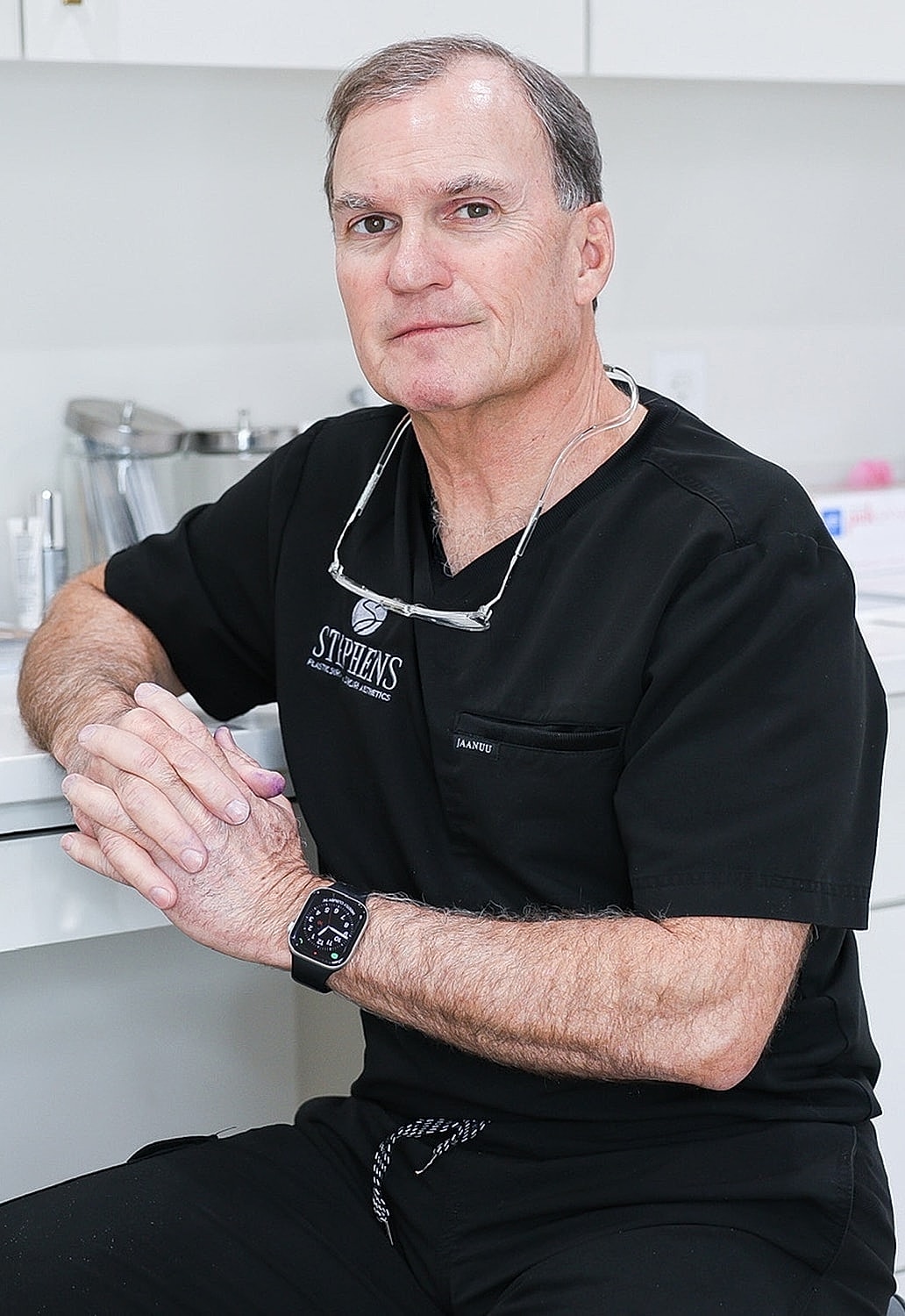
Dr. Stephens is board-certified in both general and plastic surgery and has over 25 years of experience in private practice. He is trained in reconstructive surgery and microsurgery. He makes sure patients understand both the possibilities and the limits of surgery.
Our Baton Rouge office has a private, AAAASF-accredited surgical center. The Stephens team is with you throughout your care, and surgical patients can reach Dr. Stephens directly with any concerns.
The cost depends on whether you need surgery on one or both ears, how complex the procedure is, the type of anesthesia, and how long you’re in the facility. Reconstructive surgery may cost more. Be sure to ask what’s included in your quote. Stephens offers financing through PatientFi and CareCredit, if you qualify and the provider approves.
Most insurance plans do not cover cosmetic ear surgery. Coverage for reconstructive surgery depends on your diagnosis and your policy. Check your benefits before making an appointment.
Yes, you can treat just one ear. Both ears are checked because changing one can affect how they look together.
Otoplasty only changes how the outer ear looks. If you have hearing loss, you’ll need a different evaluation.
Ear molding can help with some newborn ear differences in the first few weeks of life. Ask a pediatric specialist about the right timing. Older children and adults need a different treatment because their cartilage is firmer.
A torn earlobe or stretched piercing affects the soft tissue and needs a different kind of repair than reshaping cartilage. Bring this up during your consultation.
Ear pinning means moving the ear’s position. The surgeon uses stitches inside the ear to hold the cartilage; they do not use pins on the outside.
Schedule a meeting with Dr. Stephens to talk about ear surgery, recovery, and costs. Call (225) 768-7546 or request an appointment. Our office is located at 5233 Dijon Drive, Suite D, Baton Rouge, LA 70808.